

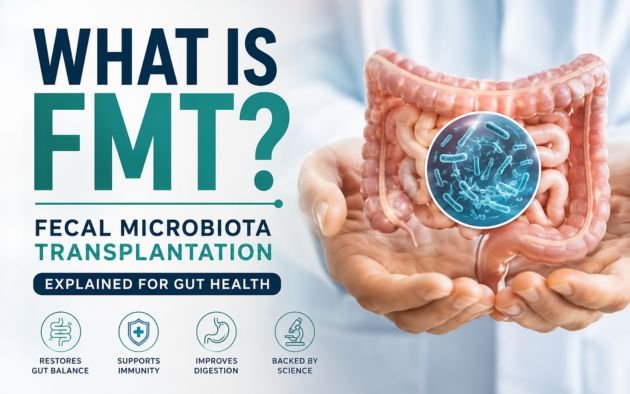
Gut health has become one of the most talked-about topics in modern medicine. Scientists now believe that the trillions of bacteria living inside the human digestive system may influence digestion, immunity, metabolism, mental health, and even chronic diseases. One treatment gaining global attention is FMT, also known as Fecal Microbiota Transplantation.
Although the concept may sound unusual, researchers and healthcare experts consider FMT one of the most promising developments in microbiome-based medicine. Today, doctors are using fecal microbiota transplant therapy to restore healthy gut bacteria and treat severe digestive infections. Researchers are also studying its potential role in obesity, IBS, ulcerative colitis, cancer treatment support, and neurological disorders.
So, what is FMT, how does it work, and why is it becoming a major breakthrough in gut health treatment?
This complete guide explains everything you need to know about fecal microbiota transplantation, including:
- FMT full form in medicine
- How stool transplant therapy works
- Gut microbiome restoration
- Benefits and side effects
- Risks and safety concerns
- Future of microbiome medicine
- Current medical research and trends
What Is FMT?
FMT, full form in medical is Fecal Microbiota Transplantation.
It is a medical procedure where healthy gut bacteria from a healthy donor’s stool are transferred into the digestive system of another person to restore balance in the gut microbiome.
In simple words, FMT is:
“A healthy gut bacteria transfer therapy.”
Doctors use fecal microbiota transplantation mainly to rebuild healthy bacteria inside the intestines when the patient’s gut microbiome becomes severely damaged.
FMT is also known as:
- Stool transplant
- Fecal transplant
- Gut microbiome transplant
- Microbiota transfer therapy
According to medical experts, the main purpose of FMT is to restore beneficial microbes that help protect the digestive system and support overall health.
Understanding the Gut Microbiome
Before understanding how FMT works, it is important to understand the gut microbiome.
The human digestive system contains trillions of microorganisms, including:
- Bacteria
- Viruses
- Fungi
- Other microbes
Together, these microorganisms form the gut microbiome.
A healthy gut microbiome helps:
- Digest food
- Absorb nutrients
- Produce vitamins
- Support immunity
- Protect against harmful bacteria
- Reduce inflammation
However, poor diet, stress, antibiotics, infections, and lifestyle habits can damage the balance of gut bacteria.
When harmful bacteria dominate the gut, digestive problems and health complications may begin.
This is where fecal microbiota transplantation becomes important.
How Does Fecal Microbiota Transplantation Work?
FMT works by introducing healthy bacteria from a screened donor into the patient’s digestive tract.
The process generally includes:
1. Donor Screening
The donor undergoes strict medical testing to ensure the stool is free from infections and harmful pathogens.
Donor safety is one of the most important parts of FMT treatment.
2. Stool Preparation
The stool sample is processed and purified in a medical laboratory.
Only beneficial microbiota are prepared for transplantation.
3. Transplant Procedure
The healthy microbiome may be transferred through:
- Colonoscopy
- Capsules
- Enema
- Nasogastric tube
Colonoscopy is one of the most common delivery methods used in clinical settings.
4. Gut Microbiome Restoration
Once transferred, the healthy bacteria begin rebuilding microbial balance inside the gut.
This process may help reduce harmful bacteria and improve digestive health.
Why Is FMT Becoming Popular?
The popularity of fecal microbiota transplantation has increased because researchers are discovering stronger links between gut bacteria and overall health.
Scientists now believe gut microbiota may influence:
- Immunity
- Brain function
- Mood
- Obesity
- Diabetes
- Inflammation
- Aging
- Autoimmune diseases
FMT is considered one of the fastest-growing microbiome therapies in modern medicine.
What Conditions Can FMT Treat?
1. Recurrent C. difficile Infection
The most well-established use of FMT is for recurrent Clostridioides difficile (C. diff) infections.
Research shows FMT can restore healthy gut bacteria and reduce recurring infections more effectively than some antibiotic-only treatments.
2. IBS and Digestive Disorders
Researchers are studying FMT for:
- Irritable Bowel Syndrome (IBS)
- Chronic bloating
- Constipation
- Ulcerative colitis
- Inflammatory bowel disease (IBD)
Some early studies show promising results, although more clinical trials are still needed.
3. Obesity and Metabolic Health
Scientists are also exploring whether gut microbiome restoration can improve:
- Weight management
- Insulin sensitivity
- Metabolic health
Recent studies suggest FMT may influence metabolism and long-term gut microbiome composition.
4. Mental and Neurological Health
Researchers are investigating the gut-brain connection and how gut bacteria may affect:
- Anxiety
- Depression
- Autism spectrum disorders
- Parkinson’s disease
Several microbiome-related clinical trials are currently ongoing worldwide.
Benefits of Fecal Microbiota Transplantation
Restores Healthy Gut Bacteria
FMT helps rebuild microbial diversity inside the digestive system.
Improves Digestion
Many patients report improvements in:
- Bloating
- Diarrhea
- Constipation
- Abdominal discomfort
Supports Immune Function
Healthy gut bacteria play a major role in immune system regulation.
May Reduce Inflammation
A balanced microbiome may help reduce chronic gut inflammation.
Potential Future Medical Applications
Researchers are studying FMT for:
- Cancer therapy support
- Autoimmune disorders
- Metabolic diseases
- Aging-related gut decline
FMT Side Effects and Risks
Although FMT is generally considered safe, it still carries risks.
Common Short-Term Side Effects
Patients may experience:
- Bloating
- Gas
- Mild stomach discomfort
- Temporary diarrhea
- Changes in bowel habits
These side effects are usually temporary.
Potential Risks
Rare but serious risks may include:
- Infection transmission
- Antibiotic-resistant bacteria
- Procedure complications
Because of these risks, donor screening and medical supervision are extremely important.
Is FMT Safe?
Most studies suggest that FMT is generally safe when performed under proper medical supervision.
However, experts still recommend caution because long-term effects are still being studied.
Medical organizations emphasize:
- Strict donor testing
- Sterile preparation
- Clinical supervision
to improve safety and reduce complications.
The Future of FMT and Microbiome Medicine
Scientists believe microbiome-based medicine may become a major part of future healthcare.
Future advancements may include:
- Personalized microbiome therapy
- AI-based gut microbiome analysis
- Precision probiotics
- Microbiome-based drug development
- Capsule-based stool transplant therapies
Researchers are also exploring microbiome treatments for cancer support and immune-related conditions.
AI and the Future of Gut Health
Artificial intelligence is now helping scientists analyze gut microbiome patterns faster than ever before.
AI may help:
- Predict gut disease risks
- Personalize microbiome treatments
- Improve donor matching
- Analyze bacterial diversity
- Develop targeted therapies
The combination of AI and microbiome science could transform the future of digestive healthcare.
Can You Improve Gut Health Naturally Without FMT?
Although FMT is used for serious microbiome imbalance cases, many people can support gut health naturally through lifestyle changes.
Best Ways to Support Gut Health Naturally
Eat More Fiber
Fiber feeds beneficial gut bacteria.
Include Fermented Foods
Foods like:
- Yogurt
- Kefir
- Kimchi
- Sauerkraut
may help improve microbial diversity.
Reduce Ultra-Processed Foods
Highly processed foods may negatively affect gut bacteria.
Manage Stress
Chronic stress can harm the gut microbiome.
Sleep and Exercise
Healthy sleep and physical activity support gut health.
Final Thoughts
Fecal Microbiota Transplantation (FMT) is becoming one of the most fascinating developments in modern gut health research.
By restoring healthy gut bacteria, FMT may help improve digestion, support immunity, and potentially assist in treating several microbiome-related conditions.
Although stool transplant therapy is still evolving, current research suggests it could become a major part of future personalized medicine and microbiome healthcare.
As scientists continue studying the gut microbiome, FMT may open new possibilities for treating digestive disorders, immune diseases, metabolic conditions, and even neurological health problems.
Understanding what FMT is and how it works helps us better understand the growing importance of gut health in overall human wellness.








 restores healthy gut bacteria, supports digestion, & helps manage certain gut-related issues)