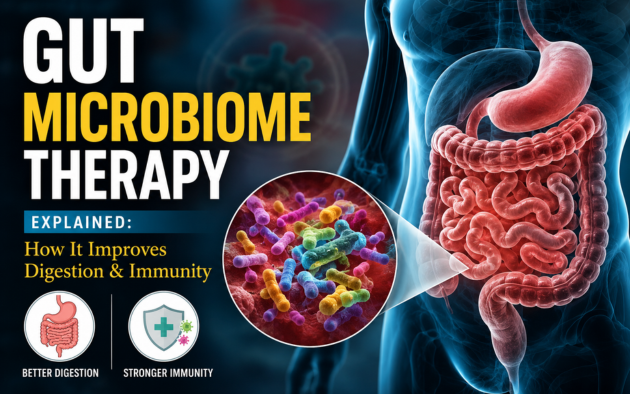
The human body contains trillions of microorganisms that play a major role in overall health. Most of these microorganisms live inside the digestive system and are known as the gut microbiome. In recent years, scientists and healthcare experts have focused heavily on gut microbiome therapy because of its potential to improve digestion, strengthen immunity, and support long-term wellness.
But what is microbiome therapy, and why is it becoming one of the most discussed topics in modern healthcare?
In this detailed guide, we will explain everything about microbiome therapy, including how it works, its benefits, possible side effects, and the best microbiome therapy diet for better gut health.
What Is Microbiome Therapy?
Microbiome therapy is a health treatment approach designed to improve the balance of beneficial bacteria inside the body, especially in the gut. The goal is to restore healthy microorganisms that support digestion, immunity, metabolism, and even mental health.
The gut contains both good and harmful bacteria. When harmful bacteria become dominant, it can lead to digestive problems, inflammation, weak immunity, and chronic diseases. Gut microbiome therapy helps restore balance by increasing healthy bacteria levels.
This therapy may include:
- Probiotics
- Prebiotics
- Dietary changes
- Personalized nutrition plans
- Fecal microbiota transplantation (FMT)
- Lifestyle improvements
- AI-based microbiome analysis
Today, many researchers believe that the future of medicine may heavily depend on understanding and improving the human microbiome.
Understanding the Gut Microbiome
The gut microbiome refers to the collection of bacteria, fungi, viruses, and microorganisms living in the digestive tract.
These microorganisms help the body by:
- Breaking down food
- Producing vitamins
- Supporting metabolism
- Fighting harmful pathogens
- Maintaining immune system function
- Reducing inflammation
A healthy microbiome creates a strong digestive system and helps the body absorb nutrients more efficiently.
However, factors like unhealthy food, stress, poor sleep, antibiotics, and lack of exercise can damage the gut microbiome.
This is where gut microbiome therapy becomes important.
How Gut Microbiome Therapy Improves Digestion?
One of the biggest benefits of microbiome therapy is better digestive health.
1. Supports Healthy Digestion
Good gut bacteria help break down complex foods and improve nutrient absorption. People with poor gut health often experience:
- Bloating
- Gas
- Constipation
- Acid reflux
- Diarrhea
Gut microbiome therapy may help reduce these digestive issues naturally.
2. Reduces Inflammation in the Gut
An unhealthy gut can trigger chronic inflammation inside the digestive system. This may increase the risk of conditions like:
- Irritable Bowel Syndrome (IBS)
- Crohn’s disease
- Ulcerative colitis
Healthy gut bacteria help control inflammation and protect the intestinal lining.
3. Improves Nutrient Absorption
The microbiome helps absorb important nutrients like:
- Vitamin B12
- Magnesium
- Calcium
- Iron
A balanced microbiome improves overall nutrition and energy levels.
How Microbiome Therapy Strengthens Immunity?
Did you know that nearly 70% of the immune system is connected to the gut?
The gut microbiome plays a critical role in protecting the body against infections and diseases.
1. Fights Harmful Bacteria
Beneficial bacteria prevent harmful microbes from growing inside the digestive system.
This helps reduce the chances of infections and digestive illnesses.
2. Supports Immune Cells
Gut bacteria communicate with immune cells and help the body respond properly to viruses and harmful pathogens.
A healthy microbiome may help:
- Improve immune response
- Reduce inflammation
- Lower infection risks
3. May Help Prevent Chronic Diseases
Researchers are studying the connection between gut health and conditions such as:
- Obesity
- Diabetes
- Allergies
- Autoimmune disorders
- Mental health conditions
Although more research is still ongoing, early results are very promising.
Microbiome Therapy Diet: Best Foods for Gut Health
A healthy diet is one of the most important parts of microbiome therapy.
The right foods for gut health help beneficial bacteria grow naturally.
Best Foods for a Healthy Gut Microbiome
Probiotic Foods
These foods contain beneficial live bacteria:
- Yogurt
- Kefir
- Kimchi
- Sauerkraut
- Kombucha
Prebiotic Foods
Prebiotics feed healthy gut bacteria.
Best prebiotic foods include:
- Garlic
- Onion
- Banana
- Oats
- Apples
- Asparagus
High-Fiber Foods
Fiber improves digestion and supports microbial diversity.
Good sources include:
- Vegetables
- Fruits
- Whole grains
- Lentils
- Beans
Fermented Foods
Fermented foods naturally improve gut bacteria balance and digestion.
Foods to Avoid During Microbiome Therapy
To improve gut health, it is important to reduce foods that damage healthy bacteria.
Avoid excessive:
- Processed foods
- Sugary drinks
- Fast food
- Artificial sweeteners
- Alcohol
- Excess antibiotics without medical advice
Microbiome Therapy Side Effects
Although microbiome therapy is generally considered safe, some people may experience temporary side effects.
Common Microbiome Therapy Side Effects
- Mild bloating
- Gas
- Stomach discomfort
- Temporary digestive changes
These symptoms usually improve as the gut adjusts to new bacteria.
However, advanced treatments like fecal microbiota transplantation should only be done under medical supervision.
People with serious health conditions should consult healthcare professionals before starting any gut microbiome therapy program.
Who May Benefit From Gut Microbiome Therapy?
Gut microbiome therapy may help people who experience:
- Frequent digestive issues
- Weak immunity
- Chronic inflammation
- IBS symptoms
- Poor diet-related gut imbalance
- Antibiotic-related digestive problems
Many health experts now recommend improving gut health as part of preventive healthcare.
The Future of Microbiome Therapy
Scientists are continuously researching how microbiome therapy affects human health.
Future developments may include:
- AI-powered gut health analysis
- Personalized microbiome treatment plans
- Advanced probiotic therapies
- Precision nutrition
- Microbiome-based disease prevention
This field is growing rapidly and may transform modern healthcare in the coming years.
Final Thoughts
Gut health affects much more than digestion. A balanced microbiome supports immunity, energy, metabolism, and overall wellness.
Understanding what microbiome therapy is can help people make better lifestyle and nutrition choices for long-term health.
By following a healthy microbiome therapy diet, reducing processed foods, and supporting beneficial gut bacteria, many people may improve digestion and strengthen their immune system naturally.
As research continues to grow, gut microbiome therapy may become one of the most important areas of future medicine and preventive healthcare.