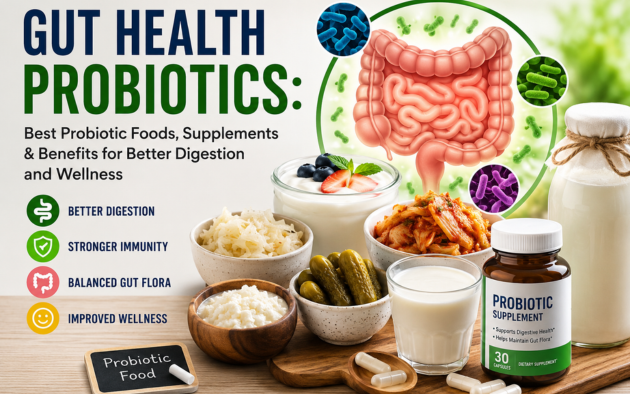
Your gut does much more than digest food. It influences your immunity, skin health, energy levels, mood, metabolism, and even hormonal balance. In recent years, gut health probiotics have become one of the most talked-about wellness topics — and for good reason.
A healthy gut contains trillions of good bacteria that help maintain digestion and overall wellness. But due to processed foods, stress, poor sleep, antibiotics, and unhealthy lifestyles, many people experience an imbalance in gut bacteria. This is where probiotics for gut health can help.
In this complete guide, you’ll learn what probiotics are, their benefits, the best probiotic foods for gut health, how supplements work, and how probiotics may support vaginal health as well.
What Are Probiotics?
Probiotics are live beneficial bacteria and yeasts that support a healthy digestive system. These “good bacteria” help balance the microorganisms living inside your gut.
Your body naturally contains both good and bad bacteria. When harmful bacteria increase, digestive issues and inflammation may occur. Probiotics help restore this balance and improve gut function naturally.
Common probiotic strains include:
- Lactobacillus
- Bifidobacterium
- Saccharomyces boulardii
- Streptococcus thermophilus
Each strain supports different health functions, from digestion to immunity and women’s health.
Why Gut Health Matters?
Your gut is often called the “second brain” because it directly connects with many body systems. Poor gut health can affect your entire body.
Common signs of poor gut health include:
- Bloating
- Constipation
- Gas and acidity
- Diarrhea
- Frequent fatigue
- Sugar cravings
- Skin problems
- Weak immunity
- Mood swings
A balanced gut microbiome helps your body absorb nutrients properly and supports healthy digestion.
Benefits of Probiotics for Gut Health
There are many health benefits of probiotic bacteria. Here are some of the most important advantages:
1. Improve Digestion
Probiotics help break down food and improve nutrient absorption. They can reduce bloating, gas, and indigestion.
2. Support Healthy Bowel Movements
Many people use probiotics for gut health to manage constipation and irregular digestion naturally.
3. Strengthen Immunity
Around 70% of your immune system is linked to the gut. Healthy bacteria help defend against harmful pathogens.
4. Reduce Antibiotic Side Effects
Antibiotics kill both good and bad bacteria. Probiotics may help restore healthy gut bacteria after antibiotic use.
5. Help With Inflammation
Certain probiotic strains may reduce gut inflammation and improve digestive comfort.
6. Support Mental Wellness
Research suggests gut bacteria influence mood and stress levels through the gut-brain connection.
Best Probiotic Foods for Gut Health
Natural probiotic foods are one of the safest and most effective ways to improve gut health.
Here are some probiotic-rich foods for gut health you can include in your daily routine:
Yogurt
Yogurt is one of the best probiotic foods for gut health. It contains live cultures that support digestion and gut balance.
Choose plain, unsweetened yogurt with active cultures for maximum benefits.
Kefir
Kefir is a fermented milk drink packed with beneficial bacteria and yeast. It often contains more probiotics than regular yogurt.
Kimchi
This Korean fermented vegetable dish is rich in probiotics, vitamins, and antioxidants.
Sauerkraut
Made from fermented cabbage, sauerkraut supports digestive health and immunity.
Buttermilk
Traditional homemade buttermilk contains natural probiotics that aid digestion.
Pickles (Naturally Fermented)
Fermented pickles made without vinegar can provide beneficial gut bacteria.
Kombucha
Kombucha is a fermented tea drink that may support digestion and gut microbiome diversity.
Miso
A traditional Japanese fermented soybean paste rich in probiotics and nutrients.
Foods That Support Probiotic Growth
Probiotics work even better when combined with prebiotics. Prebiotics are fibers that feed healthy gut bacteria.
Good prebiotic foods include:
- Bananas
- Garlic
- Onions
- Oats
- Apples
- Flaxseeds
- Asparagus
Combining probiotics and prebiotics can significantly improve digestive health.
Best Probiotic Supplements for Gut Health
While food should be the first choice, probiotic supplements can be useful for people with digestive issues or those unable to get enough probiotics naturally.
What to Look for in Probiotic Supplements?
When choosing probiotics supplements, consider:
Multiple Strains
Products with different bacterial strains often provide broader benefits.
CFU Count
CFU stands for colony-forming units. Most quality supplements contain between 1 billion and 50 billion CFUs.
Delayed-Release Capsules
These help probiotics survive stomach acid and reach the intestines.
Refrigerated vs Shelf-Stable
Some probiotics require refrigeration, while others are shelf-stable.
Third-Party Testing
Choose trusted brands that test for quality and purity.
Best Probiotic for Gut Health: Which One Is Right?
There is no single probiotic that works best for everyone. The best probiotic for gut health depends on your specific needs.
Here are common strains and their uses:
| Probiotic Strain | Potential Benefits |
| Lactobacillus acidophilus | Digestive support |
| Bifidobacterium bifidum | Gut balance |
| Lactobacillus rhamnosus | Immunity and women’s health |
| Saccharomyces boulardii | Diarrhea support |
| Lactobacillus plantarum | Cholesterol reduction |
If you have chronic digestive symptoms, consulting a healthcare professional before starting supplements is recommended.
Best Probiotics for Vaginal Health
Probiotics are not only beneficial for digestion. Certain strains may also support vaginal health by maintaining a healthy bacterial balance.
Best probiotics for vaginal health commonly include:
- Lactobacillus rhamnosus
- Lactobacillus reuteri
- Lactobacillus acidophilus
These strains may help maintain proper vaginal pH and reduce the risk of bacterial imbalance.
Foods like yogurt and fermented dairy products may also support women’s intimate health naturally.
How Long Do Probiotics Take to Work?
Results vary from person to person. Some people notice digestive improvements within a few days, while others may take several weeks.
Factors affecting results include:
- Diet quality
- Stress levels
- Sleep habits
- Existing gut conditions
- Type of probiotic strain
Consistency is important for long-term gut health improvement.
Common Mistakes People Make With Probiotics
Taking Too Much Too Quickly
Starting with high doses may cause temporary bloating or discomfort.
Ignoring Diet Quality
Probiotics cannot fully compensate for a poor diet.
Consuming Excess Sugar
Sugar may encourage harmful bacteria growth.
Expecting Instant Results
Gut healing takes time and consistency.
Natural Ways to Improve Gut Health Alongside Probiotics
To get the best results from probiotics for gut health, combine them with healthy lifestyle habits:
- Eat more fiber-rich foods
- Drink enough water
- Reduce processed food intake
- Exercise regularly
- Sleep 7–8 hours daily
- Manage stress
- Limit unnecessary antibiotics
A healthy lifestyle supports long-term gut balance naturally.
Are Probiotics Safe?
For most healthy people, probiotics are generally considered safe. Mild side effects like gas or bloating may occur during the first few days.
However, individuals with weakened immune systems or serious health conditions should consult a doctor before taking probiotic supplements.
Final Thoughts
Your gut health affects nearly every part of your body, from digestion and immunity to energy and mental wellness. Adding probiotic-rich foods for gut health and choosing the right probiotic supplements can help support a healthier digestive system naturally.
Start with natural probiotic foods like yogurt, kefir, kimchi, and fermented vegetables. If needed, consider high-quality supplements with clinically studied strains.
The key to long-term gut wellness is consistency, balanced nutrition, hydration, and healthy lifestyle habits. Small daily improvements can make a big difference in your digestive health and overall well-being.