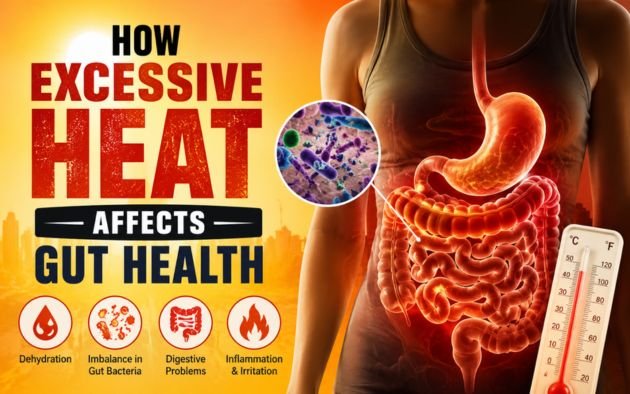
Summer is becoming hotter every year, and many people are starting to notice unusual digestive problems during extreme temperatures. Bloating, acidity, nausea, stomach cramps, constipation, diarrhea, and loss of appetite are now common complaints during heatwaves. While most people blame food or dehydration alone, the real issue is often connected to how excessive heat affects the body and digestive system.
Doctors and researchers are increasingly studying the connection between excessive heat and gut health because rising temperatures can directly affect digestion, hydration, gut bacteria, and intestinal function. As climate change continues to increase global temperatures, understanding how summer heat impacts the gut is becoming more important than ever.
In this article, you will learn the real excessive heat meaning, how excessive heat in the body affects digestion, the most common excessive heat symptoms, and practical ways to protect your gut health during hot weather.
What Is Excessive Heat?
The term “excessive heat” refers to extremely high temperatures that place stress on the human body. This usually happens during heatwaves when temperatures stay unusually high for several days.
During periods of summer excessive heat, the body works harder to stay cool. Sweating increases, water loss becomes faster, and blood circulation changes to control body temperature. These changes can affect many organs, including the stomach and intestines.
When the body overheats, digestion often becomes slower and less efficient. This is one reason many people feel weak, bloated, or uncomfortable during hot weather.
How Excessive Heat Affects Gut Health?
The digestive system is very sensitive to heat and dehydration. Excessive heat can disturb gut health in several ways, ranging from changes in gut bacteria to reduced blood flow in the intestines.
1. Dehydration Slows Down Digestion
One of the biggest effects of excessive heat on the body is dehydration.
During hot weather, the body loses water through sweat. If enough fluids are not replaced, the digestive system cannot function properly. Water is essential for breaking down food, absorbing nutrients, and moving waste through the intestines.
When dehydration occurs, digestion becomes slower, and symptoms may include:
- Constipation
- Bloating
- Stomach heaviness
- Acidity
- Nausea
- Dry mouth
- Fatigue
Many people experience these excessive heat symptoms without realizing that their gut health is being affected by heat stress.
2. Excessive Heat Can Disturb Gut Bacteria
The gut contains trillions of bacteria that support digestion, immunity, and overall health. This balance of bacteria is known as the gut microbiome.
Research suggests that extreme heat and dehydration may disturb the gut microbiome, allowing harmful bacteria to grow while reducing beneficial bacteria. This imbalance may lead to:
- Gas
- Digestive discomfort
- Loose motions
- Weak immunity
- Increased inflammation
- Poor nutrient absorption
When gut bacteria become unbalanced, digestion often becomes more sensitive during summer.
3. Heat Stress Reduces Blood Flow to the Digestive System
During extreme heat, the body prioritizes cooling itself. Blood flow shifts toward the skin to release heat through sweating. As a result, less blood reaches the digestive organs.
This reduced circulation can:
- Slow digestion
- Trigger stomach cramps
- Reduce appetite
- Cause discomfort after eating
- Affect nutrient absorption
This is why many people feel tired or uncomfortable after heavy meals during summer’s excessive heat.
4. Summer Heat Increases Risk of Food-Related Infections
Hot temperatures create ideal conditions for bacteria to grow in food and water. Improperly stored food spoils faster during summer, increasing the risk of stomach infections.
This is one reason why digestive illnesses become more common during heatwaves.
Common symptoms include:
- Diarrhea
- Vomiting
- Food poisoning
- Stomach pain
- Nausea
- Gut inflammation
Street food, stale meals, and contaminated water become highly risky during extremely hot weather.
Common Excessive Heat Symptoms That Affect Digestion
Many digestive issues during summer are actually warning signs of excessive heat in the body.
Some common excessive heat symptoms include:
- Bloating
- Constipation
- Loose motions
- Stomach cramps
- Acidity
- Nausea
- Loss of appetite
- Dizziness
- Excessive sweating
- Weakness
- Headache
- Dry mouth
- Fatigue
If symptoms become severe, cause fainting or rapid heartbeat, medical attention should be sought immediately because these may be signs of heat exhaustion or heat stroke.
Why Appetite Decreases During Hot Weather?
Many people naturally eat less during the summer. This happens because digestion itself generates body heat.
When temperatures rise, the body tries to reduce internal heat production by slowing digestion and decreasing hunger. Heavy meals, oily foods, and spicy dishes often feel harder to digest during extreme heat.
This is a natural survival response, but poor eating habits during summer can worsen gut health problems.
Can Excessive Heat Cause Acidity and Bloating?
Yes. Excessive heat can worsen acidity and bloating in several ways.
Dehydration reduces digestive efficiency and can increase acid imbalance inside the stomach. At the same time, slow digestion may cause food to remain in the stomach longer, leading to heaviness and gas.
People who already suffer from acid reflux, IBS, or sensitive digestion may notice stronger symptoms during hot weather.
How Excessive Heat in the Body Impacts the Intestines?
Scientists believe extreme heat may also affect the intestinal lining.
In severe cases, heat stress may increase intestinal permeability, sometimes called “leaky gut.” This means harmful substances may pass more easily through the intestinal barrier, increasing inflammation inside the body.
This may contribute to:
- Digestive sensitivity
- Gut inflammation
- Poor absorption of nutrients
- Increased stomach discomfort
Researchers are continuing to study how rising global temperatures affect digestive health worldwide.
Best Foods for Gut Health During Summer
Eating lighter and hydrating foods can help support digestion during hot weather.
Best Summer Foods for Gut Health
- Watermelon
- Cucumber
- Coconut water
- Yogurt
- Buttermilk
- Papaya
- Bananas
- Mint
- Seasonal fruits
- Light homemade meals
These foods help maintain hydration while being easier to digest.
Foods to Avoid During Summer Excessive Heat
Some foods increase digestive stress and body heat.
Try to limit:
- Fried foods
- Oily meals
- Excessively spicy food
- Sugary soft drinks
- Alcohol
- Excess caffeine
- Processed junk food
These foods may worsen acidity, bloating, and dehydration.
How to Protect Your Gut Health During Extreme Heat?
Stay Properly Hydrated
Drink water regularly throughout the day instead of waiting until you feel thirsty.
Electrolyte-rich drinks, lemon water, coconut water, and ORS may help maintain hydration during intense heat.
Eat Smaller Meals
Large meals increase digestive load and generate more body heat.
Smaller, lighter meals are usually easier to digest during hot weather.
Maintain Food Hygiene
Food spoils faster during the summer. Always:
- Refrigerate leftovers quickly
- Avoid stale food
- Wash fruits and vegetables properly
- Drink clean water
Include Probiotic Foods
Probiotic foods may help maintain healthy gut bacteria.
Helpful options include:
- Yogurt
- Buttermilk
- Fermented foods
- Homemade curd
Avoid Direct Heat Exposure
Too much time in direct sunlight increases heat stress and dehydration.
Wear lightweight clothing, rest during peak afternoon heat, and avoid excessive outdoor activity when temperatures are extremely high.
Can Heatwaves Become Dangerous for Digestive Health?
Yes. Severe heatwaves can affect multiple organs, including the digestive system.
Extreme heat may increase the risk of:
- Severe dehydration
- Gut infections
- Heat exhaustion
- Heat stroke
- Intestinal inflammation
- Weak immunity
Older adults, children, outdoor workers, and people with digestive disorders may face higher risks during heatwaves.
When Should You See a Doctor?
Seek medical help if you experience:
- Severe vomiting
- Persistent diarrhea
- Blood in stool
- High fever
- Confusion
- Fainting
- Severe dehydration
- Rapid heartbeat
These symptoms may indicate serious heat-related illness.
Final Thoughts
Understanding how excessive heat affects gut health is becoming increasingly important as temperatures continue rising worldwide. Excessive heat does not only make people uncomfortable — it can also disrupt digestion, alter gut bacteria, increase dehydration, and weaken overall health.
By staying hydrated, eating lighter meals, maintaining proper food hygiene, and avoiding prolonged heat exposure, you can protect your digestive system during summer’s excessive heat.
Your gut plays a major role in overall wellness. Taking care of it during extreme heat may help prevent many common summer health problems and improve energy, digestion, and immunity throughout the season.